Less Is More

This concept is extremely difficult for my brain to accept, but it’s one my new care team is helping me embrace. I grew up in an environment where there was always work to be done, and if you were old enough and able-bodied, you did it. Downtime wasn’t a thing, and vacations were foreign to me. I remember going camping once, and staying in a hotel on the Oregon coast with my grandparents once. On a farm, you don’t have the luxury of locking the door and disappearing for a few days—or weeks—without major preparation and trusted help.
March of this year brought more than pain and fear to my doorstep; it was the first time in my life I had to ask for less. Between the pain and fatigue, I couldn’t get through a day without lying down to rest at least once or twice. My ability to focus was slipping, and my fear of making mistakes at work grew daily. Nobody wants to make mistakes, but I obsess over details, and errors in our reporting could cost the company - both financially and in reputation.
While my body was screaming for rest and help, my brain stubbornly ignored those signals. Eventually, though, I had to admit something was wrong (remember the morning on the toilet?). Acknowledging this to myself was painful enough; telling my husband—and then my boss—felt humiliating and soul‑crushing. But with the support of my husband, my boss, my team, and my company, April 1st became the start of a six‑month health sabbatical. Saying I’m fortunate to have such support feels like an understatement. It’s a blessing many people don’t receive, and it’s one reason I want to share this journey—and what I’m learning—with you.
In addition to the symptoms I was already dealing with, I developed a rash in January. At first I wondered if it was related to the Shingles vaccine series I’d just completed, but a dermatologist ruled that out. It started on my chest as a red, painful rash, then the fleshy parts of my palms began itching, followed by the arches of my feet. Small bumps appeared, though without the redness I had on my chest. She explained that Shingles affects one side of the body, not both, and suspected an autoimmune issue. She offered testing but suggested starting with a steroid cream. I wasn’t interested in slathering myself with steroids, so I tried Benadryl and Aquaphor anti‑itch creams instead. They offered minimal relief, and the rash continued to worsen, spreading to the insides of both elbows.
Since the beginning of the year, I’ve found—through both professional and personal referrals—an amazing new PCP, autoimmune specialist, acupuncturist, and therapeutic yoga instructor. I’ve settled into a testing and care routine with these women that sometimes brings four appointments a week. While it sounds—and feels—like a lot, I feel heard and genuinely cared for by each of them. I can feel in my soul that they are invested in my healing and my happiness.
Right now my home‑care assignment list is lengthy, but as my autoimmune specialist said, “We need to get your body to calm down.” So what does that self‑care routine involve? Here’s a look:
Home‑distilled water and organic mold‑free‑verified coffee
Eating organic foods that come directly from the animal or the earth
Avoiding gluten, dairy, eggs, sugar, and processed foods because they worsen my inflammation, pain, stiffness, and rash
Eating cooked foods and drinking liquids that are at least at room temperature so my body doesn’t have to work harder to digest them
Avoiding cold, which increases stiffness and joint pain
Avoiding sun, which worsens my rash
Castor oil patches over my liver to help pull out toxins
Using my Hot Box (dry sauna) for 30–45 minutes at 135 degrees
Nasal Navage to flush my sinuses
Coffee enemas to flush parasites and support my liver
Supplements 3–4 times per day to support my system
Tibetan Foot Baths to pull toxins from my body
Personalized therapeutic yoga flows
Meditation time
My body has been locked in “fight or flight” mode for the last four years, and we’re working to guide it back into “rest and digest.” I’ll share more of what I'm learning about the sympathetic and parasympathetic systems later, but the list above is meant to calm my body, help it heal, and convince it that the threat is gone.
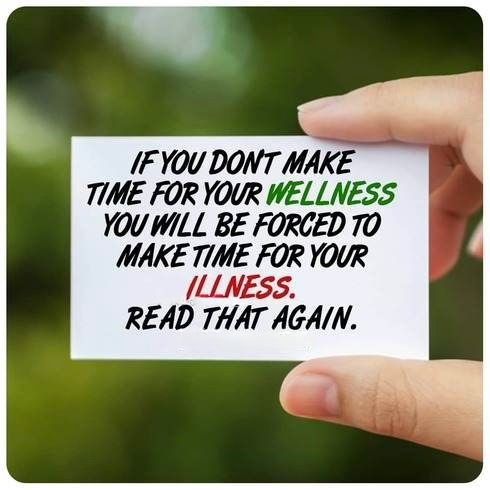
I’m curious—what does your self‑care routine look like? Or does it exist at all? If not, I hope you’ll join me in learning how to create one, because you deserve it.


Comments